A friend of mine in the construction supply business referred a contractor to a fabrication shop my friend had used for fifteen years. My friend wrote the contractor a four-line email: this is the guy, here is what the job needs, talk to them, they are good.
The contractor never called. A week later my friend ran into them on a job site and asked. The contractor said, "I went to their website. I could not tell from the homepage if they did what I needed. I figured I had misunderstood your email."
When my friend told me the story, they said they had been certain they had given the contractor enough. They had vouched for the shop. They had said "they are good." Surely "they are good" plus an email of intent is enough.
Most owners I work with are sure their referrals close. They have a number in their head, somewhere between "most of them" and "almost all of them." When we audit the actual conversion rate, the number is usually a lot lower. The difference is the lukewarm referrals, and the lukewarm referrals are the ones the website has to convert without help. Why the number in an owner's head runs so high is covered in why your referrals aren't converting.
Hot referrals and lukewarm ones aren't the same buyer
A hot referral has already decided. They got the recommendation from someone they trust, on a project they are already committed to, and the website is just the gateway to the contact form. They click your phone number from the footer and they pick up. The site can be almost anything and they will still call.
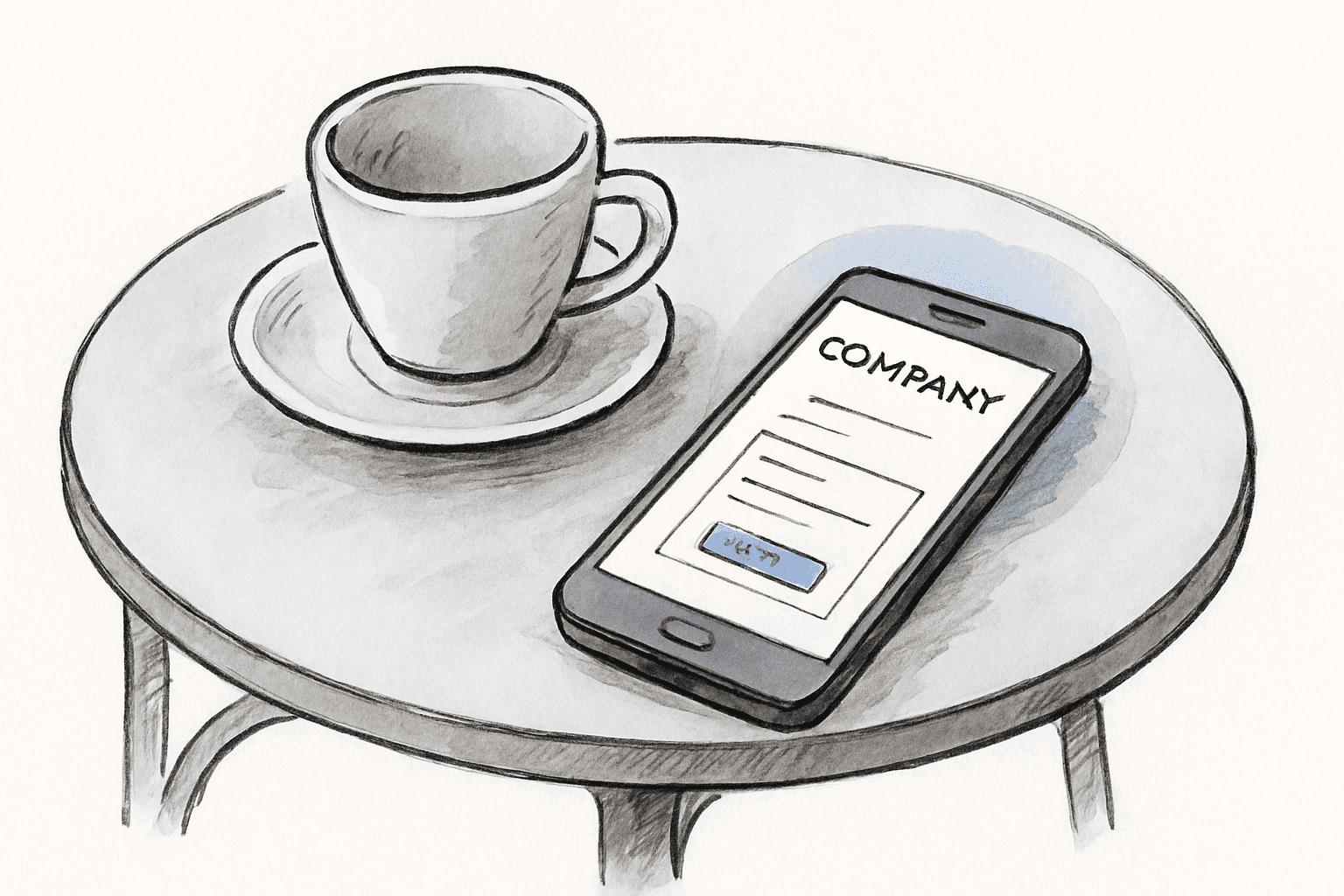
A lukewarm referral is different in kind. They got the recommendation, but they have a few options. They have time. They are shopping. They are going to do what almost anyone with internet access does, which is type the name in and look. The site is no longer the gateway to the contact form. The site is the audition.
The hot referral does not read your homepage. The lukewarm one does.
Why a bigger contact button won't fix it
You probably think the lukewarm referral is just a hot referral with a little less commitment. The same person, slightly less sure. The fix, in that mental model, is to make the conversion path smoother: a bigger contact button, a clearer phone number, a CTA in the hero.
That is not what is happening. The lukewarm referral is not dropping off because the contact button is too small. They are dropping off because, in the few seconds they spent on the homepage, they could not confirm the thing the referral said. They went looking for "yes, this is the company that does what my friend told me they did" and they did not find it on the home page. The check they are running, and the two questions it comes down to, is laid out in what B2B buyers do between the referral and the call. What decides it fastest is often a single credential, and where that credential sits on the page matters as much as whether you have it.
What makes a lukewarm referral leave
When we audit the homepage for a business that thinks almost all its referrals convert, and find that far fewer do, the pattern is usually one of three:
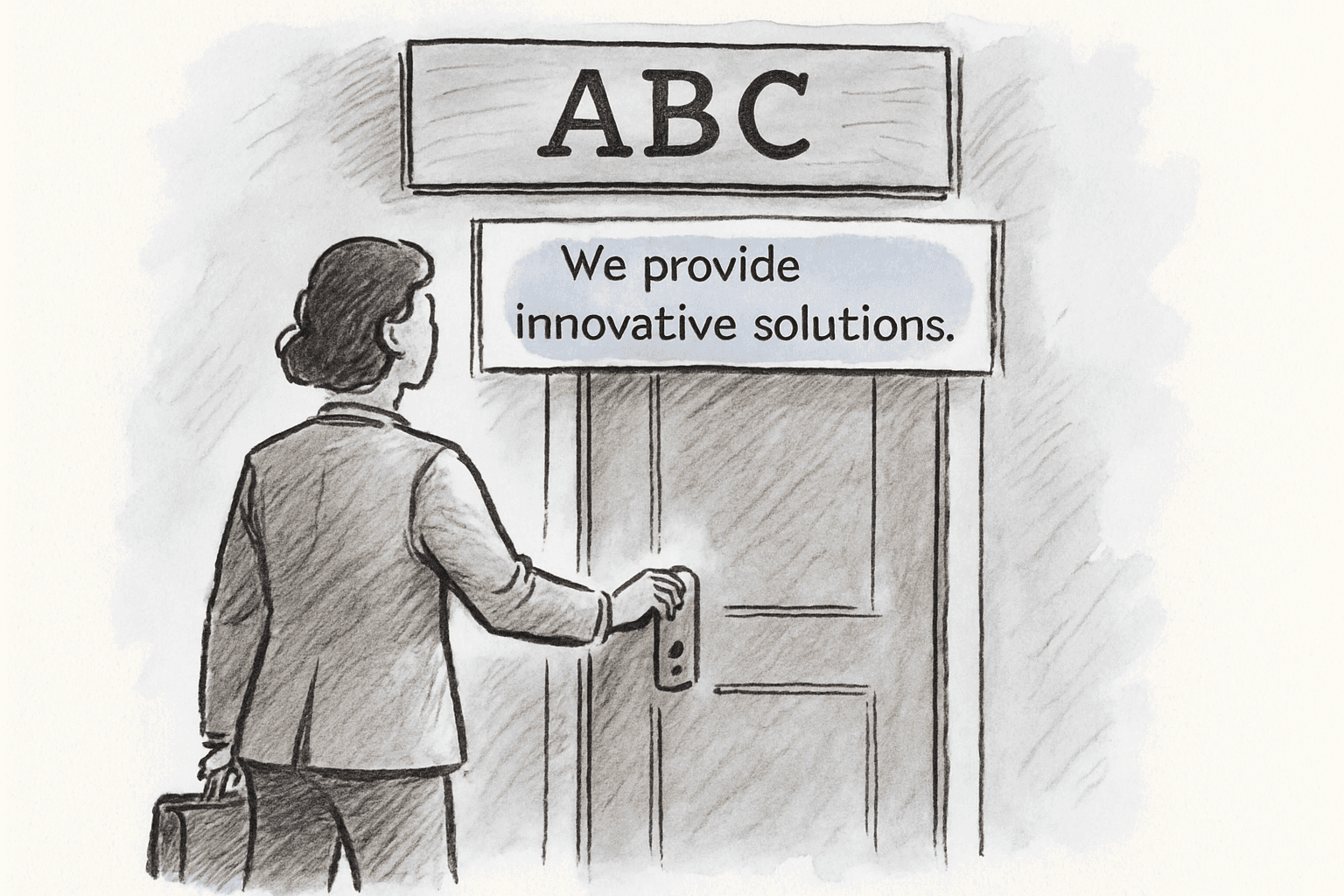
- The H1 is the company name. No supporting paragraph. The lukewarm referral lands and sees a logo, a navigation, and a hero image of an office, and has no faster way to confirm "yes, this is the place" than scrolling.
- The services described on the homepage do not include the service the referral was sent for. The business has evolved over five years. The site lists the three things it was doing in 2020. The lukewarm referral was told about the thing it is doing in 2026.
- There is no signal the company is taking new work. No "currently accepting projects." No "schedule a call" CTA. The lukewarm referral is making a confidence judgment, and the site is silent on the most basic confidence signal.
Your own visits come with full context
You do not see the lukewarm referral problem because, every time you visit your own homepage, you arrive with full context. You know what you do. You know what services you offer. You know you are taking new work. You are filling in everything the lukewarm referral cannot fill in for themselves.
The way to see it is to read your homepage out loud to someone who doesn't work there and watch their face. Whatever they do not know after the first paragraph is what the lukewarm referral does not know either. They just do not have a friend to ask afterward.
Same referrals, rewritten homepage
A client of ours, in the year after a homepage rewrite, did not change a single thing about their referral network. They did not run ads. They did not add SEO. They did not add a single new touchpoint. The number of referrals that turned into discovery calls went up noticeably.
What changed was that the lukewarm referrals could finish the audition. They landed, they confirmed within seconds that this was the company their friend had told them about, they saw a CTA, they took it. The hot referrals were going to call anyway. The lukewarm ones now had a path through.
More calls without doing anything new is the leak closing.
Three places a lukewarm referral looks first
- Read your H1 out loud to an outsider and ask them, in one sentence, what the company does. If they pause, your H1 is not doing the work.
- Look at your services list. Underline the service that drives the most revenue this quarter. If it is not on the list, or it is third instead of first, the lukewarm referral is reading a different business than the one you actually run.
- Land on your homepage and try to find, in three seconds, the place where someone could schedule a call. If you do not see one above the fold, neither does the lukewarm referral.
For a referral business, the homepage does the most work
If your referrals are your main acquisition channel, the homepage does more work than any other page on your site, and almost nobody treats it that way. The fix is rarely a redesign. It is usually a rewrite of the hero, the subheading, and the services callouts, plus one clear CTA above the fold. If you want a second pair of eyes, we'll put together a complimentary breakdown that walks through your site the way a lukewarm referral would. It's yours to keep either way.