I was on a discovery call recently with the owner of a package design and creation company. The business has been around for close to fifty years. Real industry standing, real customers, real depth.
He walked me through the company over thirty minutes. A robust product catalog they had built up over decades. In-house estimation capabilities his team had refined to the point where a sales rep could quote a complex job in an afternoon. Internal tooling that competitors did not have.
Then he sent me the link to their website. The homepage had a hero image, a short paragraph, and a contact button. The services page had four bullets and a phone number. "Hey, contact us, we'll figure it out together." It was the same page that had been there for years.
The site was selling a completely different company than the one I had just spent thirty minutes hearing about. I asked him when the services page had last been updated. He thought about it. He could not remember. Probably whenever the site launched.
What's actually on most established services pages
In our experience, the services page on an established-business site is the single most stale piece of content on it. Stalest of any page. Stalest by a wide margin.
The reason: the homepage gets edited when the brand evolves. The about page gets updated when a milestone happens or a new leader joins. The services page does not have a natural trigger. The business adds new offerings. The business sunsets old ones. The owner promotes a specialty. The services page sits there and ages, untouched, because no one's job description says "rewrite the services page when revenue mix shifts."
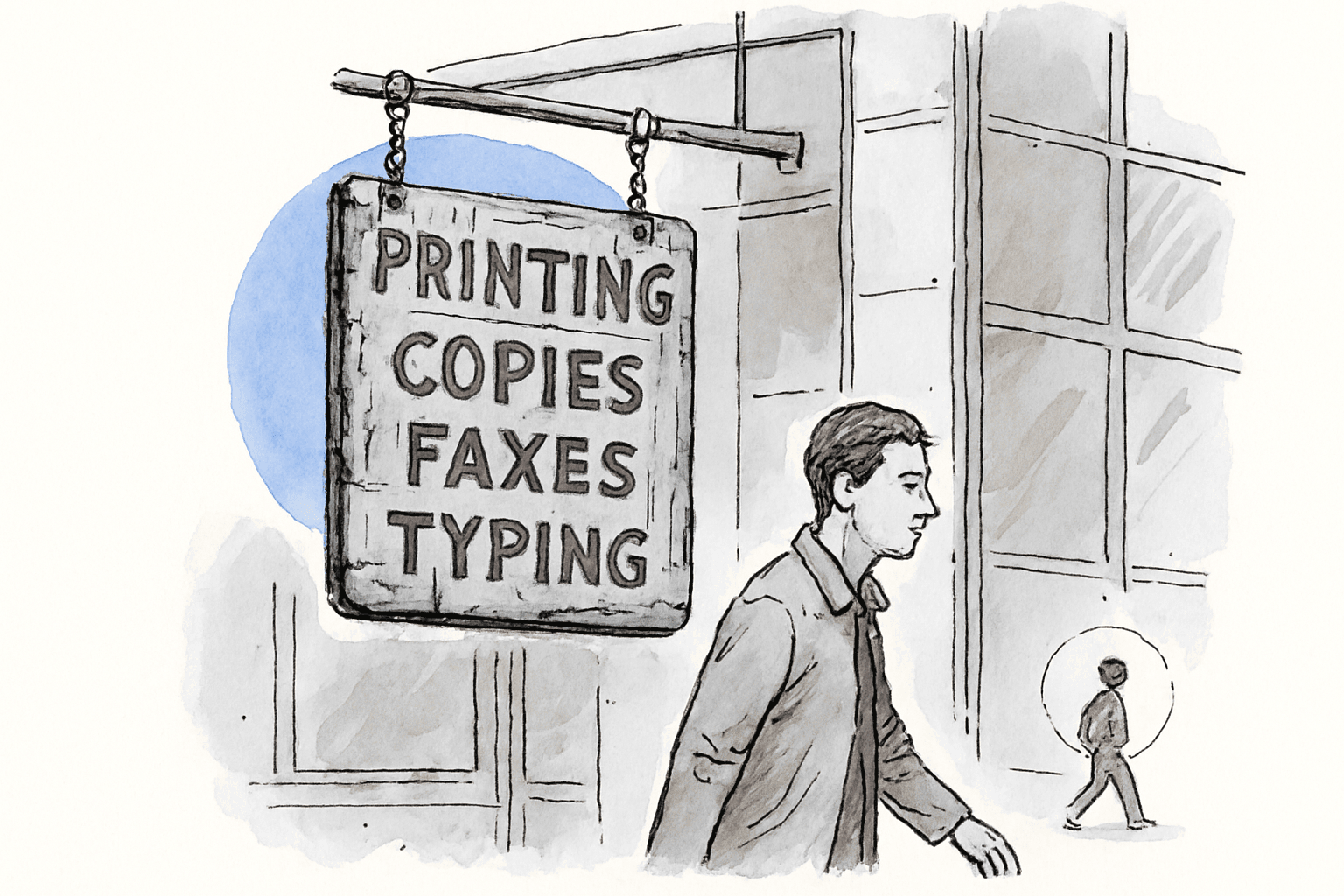
The result is a page that describes the company you were three years ago, in a layout that anticipated the way you sold things three years ago, with copy written by someone who is no longer on the team.
The services page does not have a natural trigger.
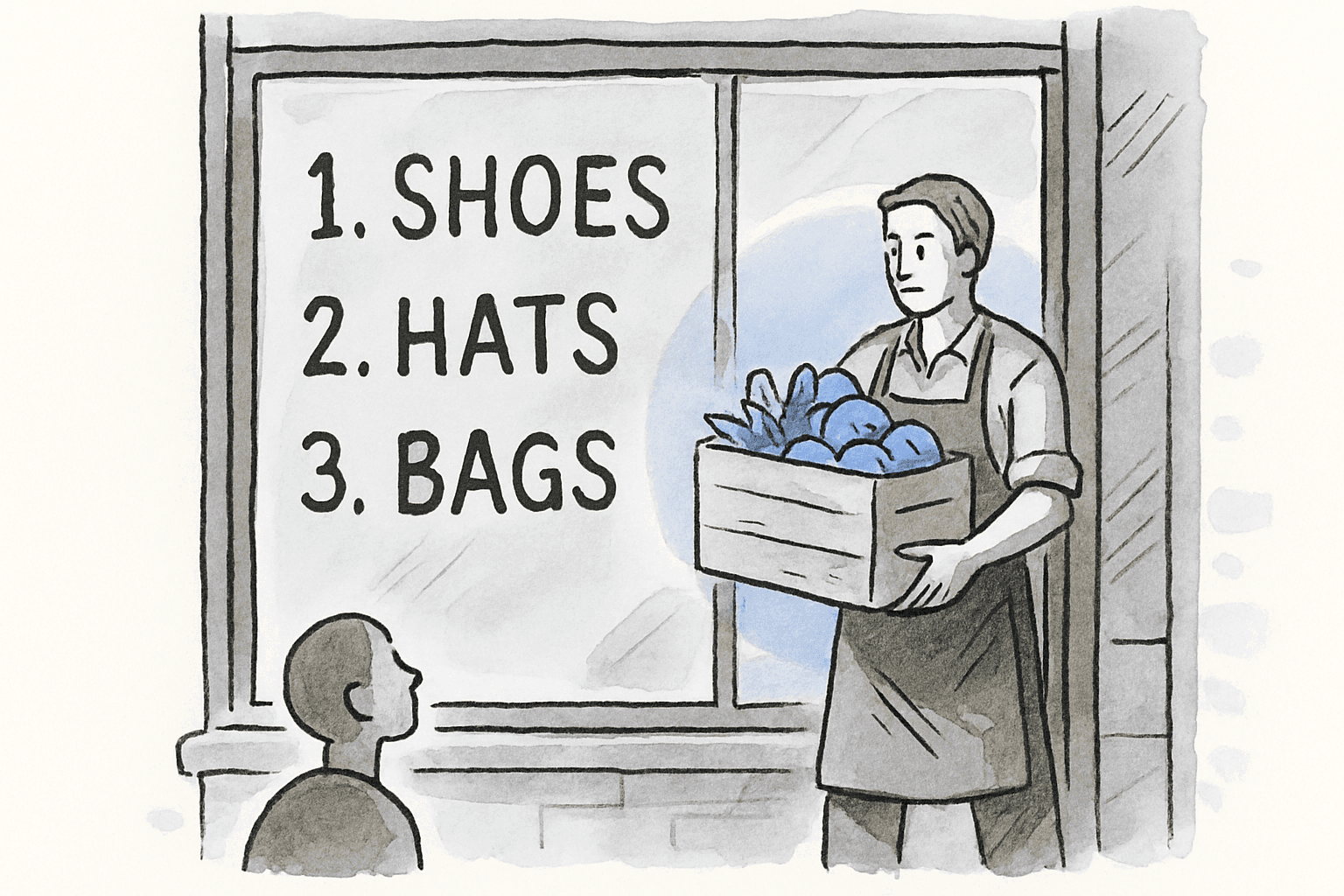
Why this is different from a generic out-of-date website problem
When people say a website is out of date, they usually mean the design. Old typography, dated photography, a layout that screams 2015.
This is different. The services page can be visually fine and still be selling a company that no longer exists. A 2024 redesign with a 2019 services list is the most common version of this failure we see. The brand work was done. The structural review was not.
The other way it's different: the services page is closer to the buying decision than any other page on the site. The homepage convinces someone to scroll. The about page is read after the fact. The services page is read by someone who is actively trying to decide whether you can help them. When this page is wrong, the line between qualified lead and back button is one paragraph.
The most common ways the services page fails
When we audit established-business sites, the services-page failures stack:
- The page lists services that no longer drive meaningful revenue. Often listed first, often with the most copy attached, because they used to be the lead offering. They have been demoted in the business but not on the site.
- The actual revenue drivers are not on the page at all. The fastest-growing line of business is something the owner has been selling for two years through word of mouth, and the website still does not mention it. Visitors land, scan, and conclude the company does something else.
- The page is written at the wrong level of abstraction. Either too generic ("we provide consulting services for businesses") so any visitor who could fit ten other firms reads it as forgettable, or too narrow (a 2019 niche that has been folded into broader work since), so visitors with the actual problem don't recognize themselves in it.
- The page reads like a brochure rather than a sales asset. Bullet lists of capabilities. No language about who the customer is, what they care about, what changes when this work gets done. Established teams have this material in their heads. It does not reach the page.
A redesign without a services review is most of a redesign.
Why owners can't see this themselves
The owner of an established business has been describing the company verbally for years. To prospects. To referrals. To their own team. The version of the services list that lives in their head is current.
When they look at the website, they read what they expect to be there, not what is actually there. The mental model of the business and the page itself drift apart over time, and no one notices, because the people who notice are the strangers, not the owner.
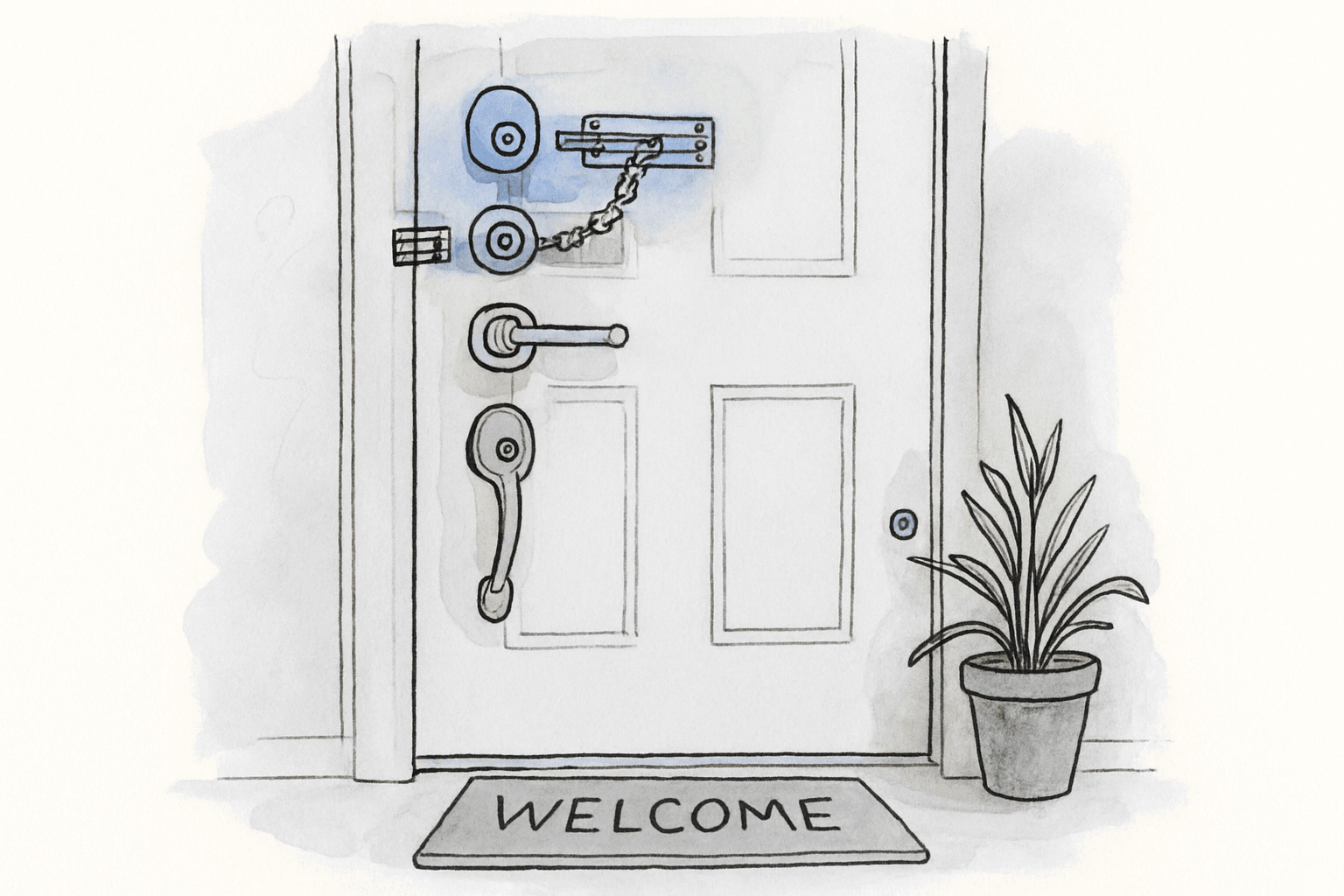
This is the same blind spot that makes a homeowner not see the wear on their own front door. They walk past it every day. They literally cannot read it as new.
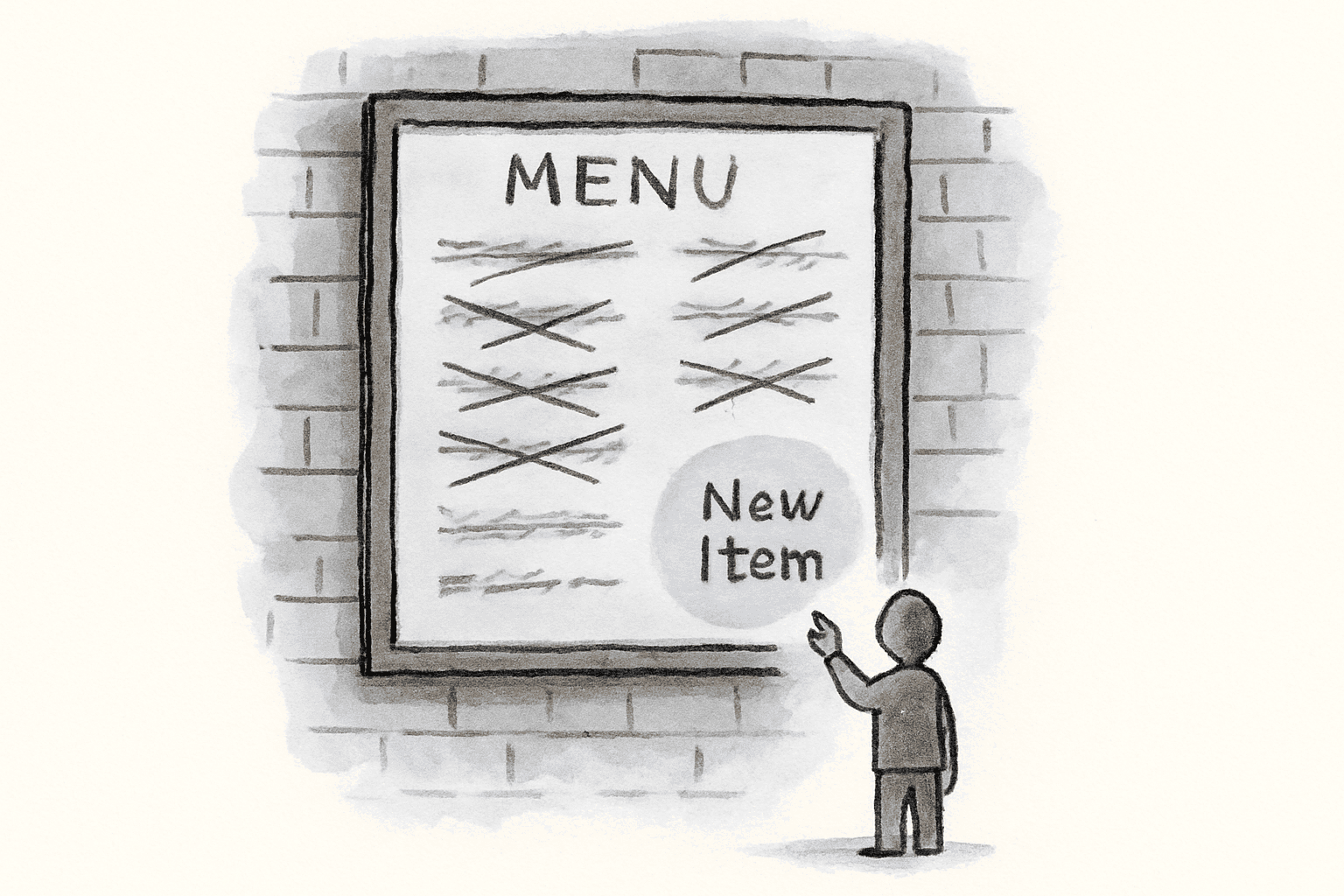
What changes when you fix it
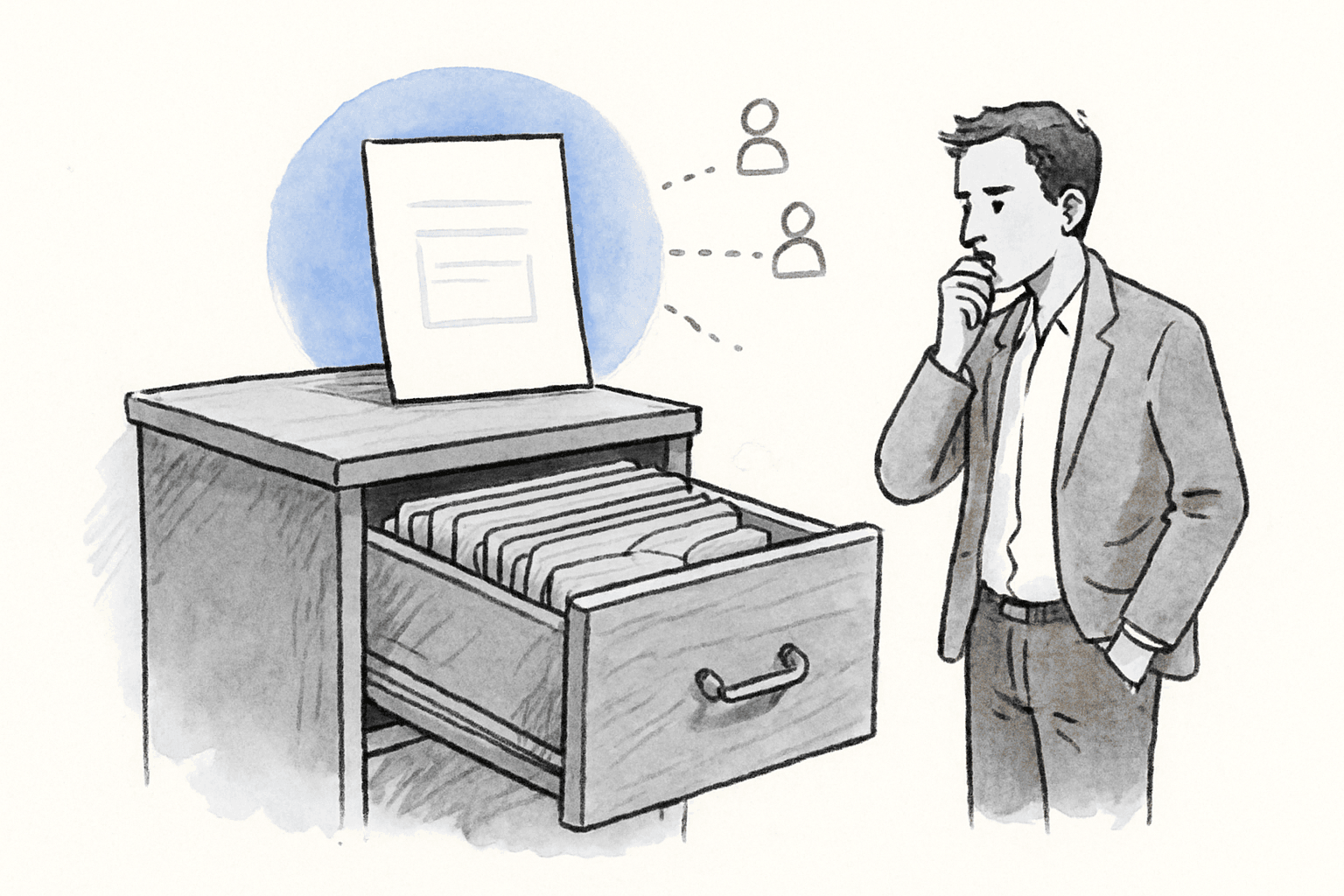
A client of ours had a robust product catalog and meaningful internal estimation tooling that was nowhere on their site. We helped them shift the services page from a "contact us, we'll figure it out" framing to a catalog approach: visitors can browse, configure, narrow, and arrive at a conversation already knowing what they want.
Two things happened. Visitors started reaching out with a much narrower question, which compressed the sales cycle for the team. And the sales reps themselves started using the site as their reference, because it was now the most up-to-date source on what the company offered. The page stopped being a marketing afterthought and became something the business actually used.
The headline result was inbound volume going up, but the more interesting result was that internal conversations got faster because everyone, customer and team, was finally working from the same page.
Tests you can run yourself
- Open your services page and ask: which of these does the most revenue? If the highest-revenue line of business is not the first thing on the page, or not on the page at all, the page is misaligned with the business.
- Read each bullet and ask: would a stranger know what we actually do, or just what category we're in? "Strategic consulting services" is a category. "We rebuild commercial accounting workflows for $20M to $200M service businesses" is a service.
- Email three trusted customers and ask them to describe, in their own words, what you do. Compare their language to the page. If their descriptions are sharper, more specific, or more recent than your own page, the page needs a rewrite.
What I'd actually recommend
The fix here is rarely a redesign and almost never a replatform. It's an audit of which services drive revenue, a rewrite of the page to match, and a process for keeping it current. Even a quarterly review with the owner and head of sales is enough.
If you're not sure whether your services page is the problem, we audit established-business websites for exactly this kind of structural mismatch. The audit is free, and we'll tell you honestly whether the fix is one paragraph or a full marketing site rebuild. Sometimes it's both, and sometimes it's neither. Either way you'll know.
If you'd rather just have the conversation, start here.