A company we work with had been in business for more than twenty years. National operations, a real staff, a real reputation in a specialized industry. When we first started working together, their website was a mess. Not because anyone had been negligent. The marketing team had tried. They just did not have the tools to keep up with how the business had grown.
We rebuilt the site. New structure, new design, content that actually reflected what the company did now. The kind of work that is not flashy: clear navigation, a services page that matches reality, a homepage that explains what you do in the first ten seconds.
A few months after launch, the owner told me something we hear often. "We are getting more calls." Not from ads. Not from SEO. Not from a new marketing campaign. Just more inbound contact, from the same referral sources they had always had. Nothing else had changed.
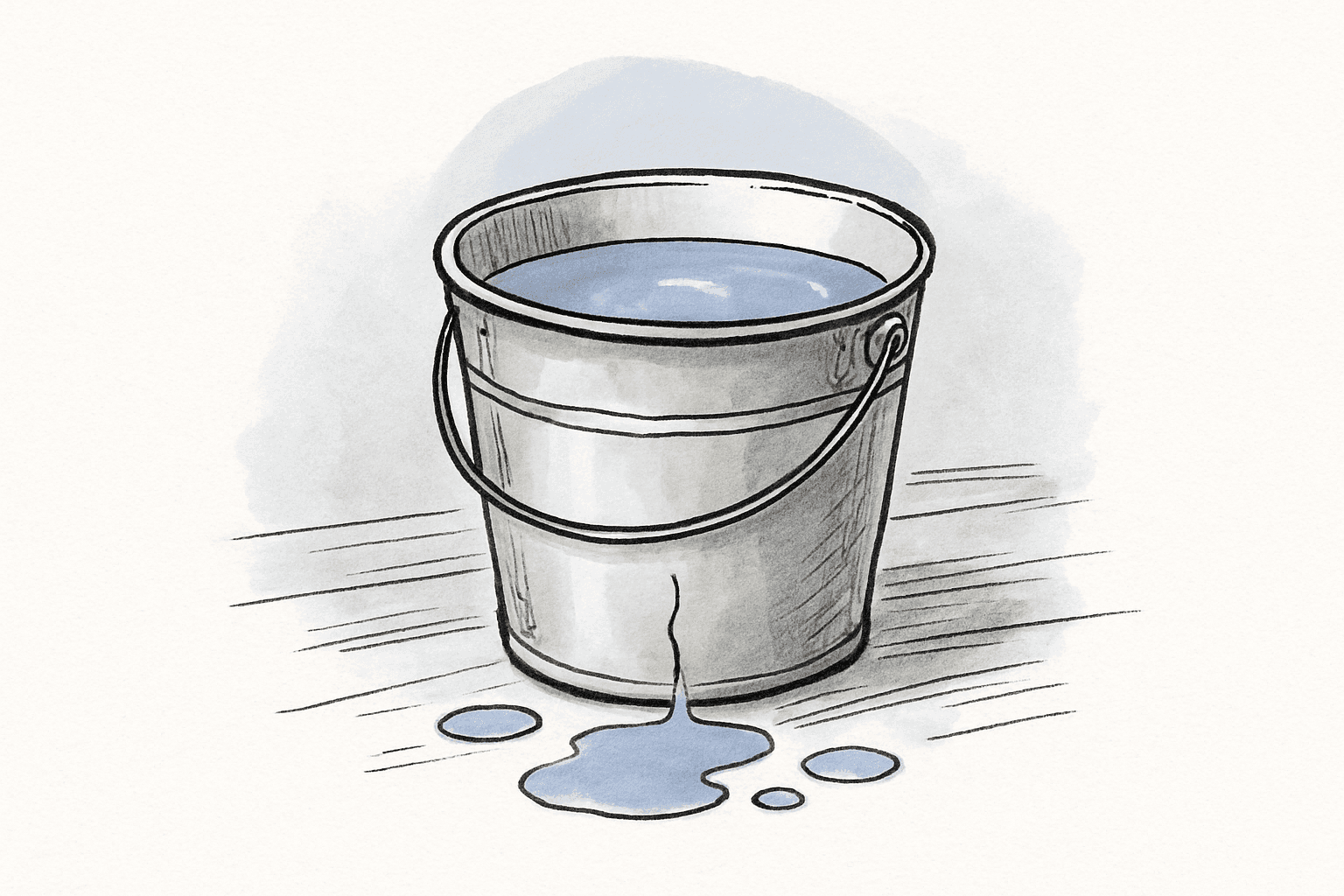
The referrals had been coming all along. They had been landing on the old site and leaving.
The actual reality: your site is leaking referrals you will never know about
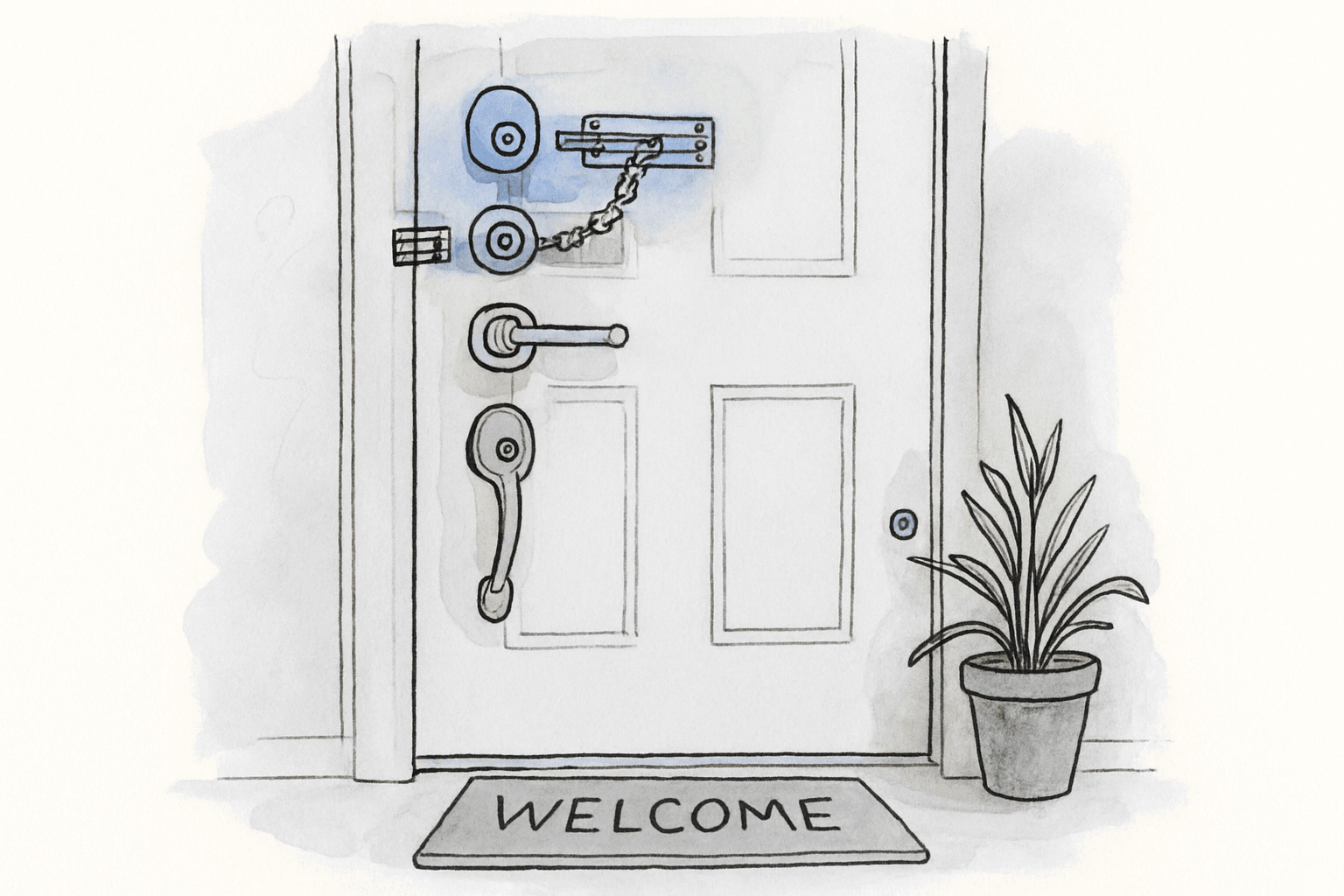
In our experience, the most common assumption business owners make about their website is that it is neutral. It exists, it has the basic information, and it is not actively hurting anything. The idea that the site could be quietly costing you business, from people who were already warm, does not occur to most owners because you never see the person who left.
There is no notification that says "someone your best client referred to you just visited your homepage and could not figure out what you do." They came, they looked, they felt uncertain, and they closed the tab. The referral source never hears about it either. Everyone moves on.
If your best source of new business is word of mouth, your website is the place those words land. A referral is not a closed deal. It is a warm introduction that still needs to be confirmed. The referred person does what anyone does: they go to the website. And what they find there either confirms what they just heard or introduces doubt.
The referrals were already coming. They just were not staying.
Why this is different from what most people think a relaunch does
When most business owners think about relaunching a website, they think about the things agencies talk about: SEO improvements, conversion rate optimization, modern design trends, mobile responsiveness. Those things matter. But they are not usually the first thing that changes.
The first thing that changes is far simpler. People who already wanted to work with you can finally figure out how. The homepage explains what you do. The services page lists the things you actually sell. The path from "I am interested" to "I am reaching out" is obvious and short.
For established B2B businesses, this shift often produces more measurable results in the first six months than any paid campaign would. Not because the site is doing something magical, but because it stopped doing something destructive: confusing the people who arrived already predisposed to buy.
The most common reason a relaunch does not produce this effect
Not every relaunch produces an increase in inbound contact. When it does not, there are usually a few recognizable patterns.
The first is a visual-only refresh. The site gets a new coat of paint, maybe a new framework, but the content stays the same. If the old homepage was just your company name and a slideshow, and the new homepage is your company name and a nicer slideshow, the visitor's experience has not changed. They still cannot tell what you do.
The second is scope drift. The relaunch project starts with the right intentions, but becomes about the CMS, or the integrations, or the internal team's workflow. Those matter. But they are not what the visitor experiences. If the project delivers a technically improved backend while the front-facing messaging stays muddled, the leak stays open.
Most relaunches that fail to move the needle are not bad design. They are surface renovations on a structure that needed rethinking.
A fresh coat of paint on a confusing building is still a confusing building.
Why you cannot see the leak from inside your business
The reason this problem persists is not that owners are negligent. It is that you cannot experience your own website as a stranger. You know what your company does. You know the value you deliver. When you look at your homepage, you fill in the gaps automatically because the knowledge is in your head, not on the page.
Your team does the same thing. Everyone who works at the company has context the visitor does not. When someone internal reviews the site, they are reading it with years of background knowledge. They see accuracy where a stranger sees ambiguity.

The owners we work with are smart, experienced people. They have built substantial businesses. But you cannot proofread your own writing, and you cannot experience your own website the way a first-time visitor does. The curse of knowledge is real, and it is specifically why this kind of problem persists for years in otherwise well-run companies.
What changed for one company after a relaunch
The client I mentioned at the start is a good example of what happens when the fix is done right. They had been in their industry for over two decades. Multiple business lines. National reach. B2B and B2C work. The kind of company where a significant portion of new business comes through referrals and industry reputation.
Before the relaunch, the site had grown organically in a way that no longer made sense. Multiple properties, overlapping navigation, no clear explanation of what the company actually built. Marketing people had been doing their best with limited tools. They could swap a photo or update a paragraph, but they could not restructure the information architecture. So the site drifted further from reality every year.
After the relaunch, the increase in inbound contact started within months. No changes to ad spend. No changes to their referral network. No new marketing campaigns. The only thing that changed was that when someone landed on the site, they could now figure out what the company did, confirm what they had heard from whoever referred them, and find the next step. The leak was closing.
Nothing else had changed. The leak was closing.

The most surprising result had nothing to do with paid traffic. It was simply that the existing channels, the referrals they had always received, started converting at a higher rate because the site was no longer introducing doubt at the moment of validation.
Tests you can run yourself
- 1. Send your homepage to someone outside your company and ask them to tell you what your business does. Do not prime them. Just send the link. If they cannot answer within thirty seconds of landing, you have the same problem.
- 2. Compare your services page to your last twelve months of revenue. Are the things that generate the most revenue prominently listed and clearly described? Or are they buried, mentioned in passing, or missing entirely?
- 3. Ask your last five new clients how they found you, and then look at the page they landed on. If any of them came through a referral, pull up the page their referral source would have sent them to. Does it confirm the recommendation, or does it make them start from scratch?
What I would actually recommend doing about it
I will be honest: not every version of this problem needs a full relaunch. Sometimes the fix is smaller. A rewritten homepage. A restructured services page. A clearer contact path. The point is to figure out which version of the problem you have before committing to a solution.
What we offer is a free audit. We look at your site the way a first-time visitor would and tell you what is working, what is not, and what the realistic options are. Sometimes the answer is a full relaunch. Sometimes it is a focused set of changes to the pages that matter most. Sometimes it is not a website problem at all.
The one thing I would not recommend is waiting. The leak does not fix itself, and the longer it runs, the more warm leads you lose without ever knowing they existed. If you are curious, schedule a call and we will take a look.
The most surprising result had nothing to do with paid traffic.