A physical manufacturing company reached out to us a while back. Specialized work, operating in a large city, with very little local competition because of how specific their craft was. When we first spoke, the owner was skeptical. Business was steady. Referrals were coming in. The company had been operating successfully for years. He wanted to know what the website had to do with any of that.
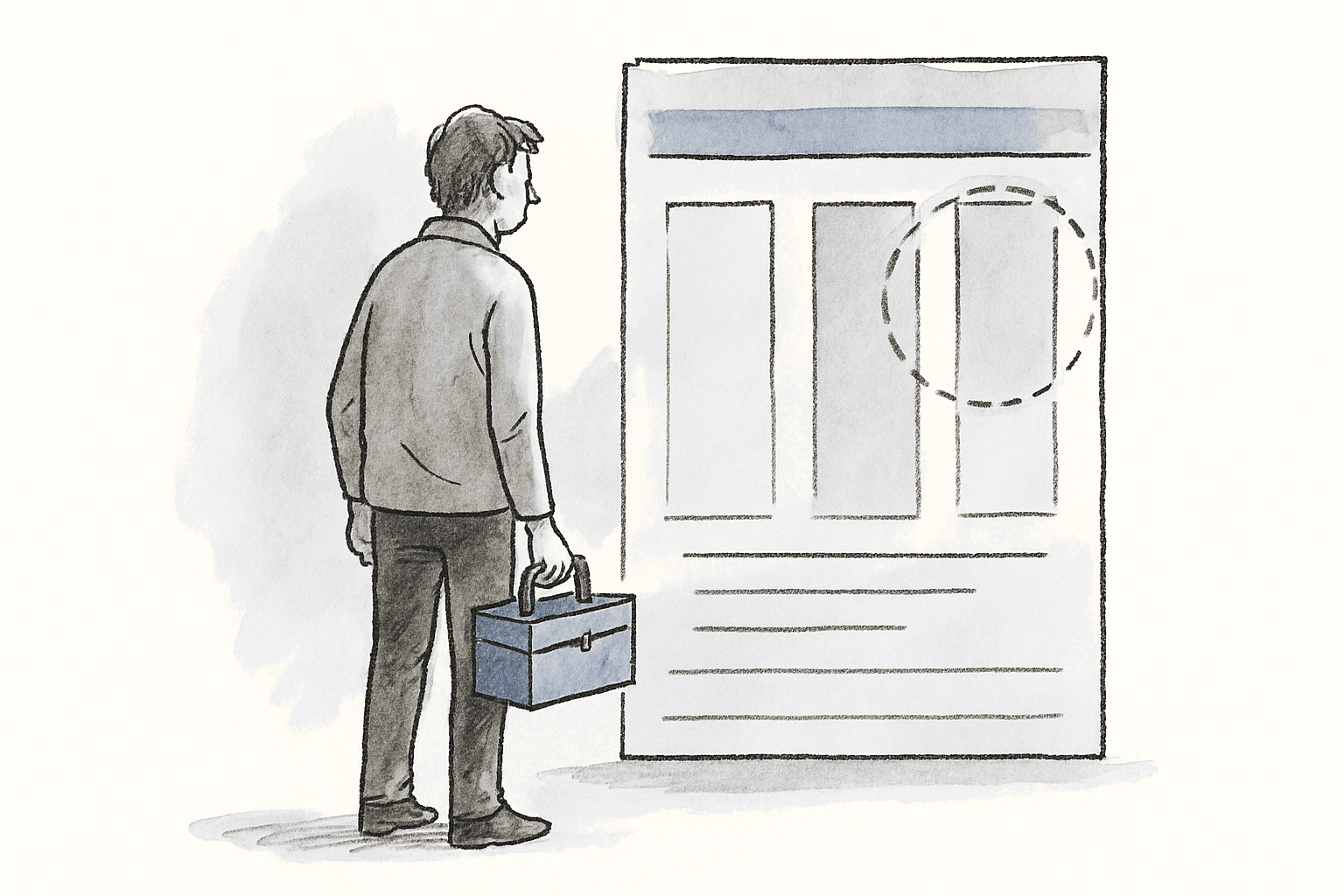
We asked to look at the site. It was not mobile responsive. The services described on it were accurate for a version of the company from ten to fifteen years earlier. The language was broad, describing a general category of work rather than the specialized thing the business actually did now. Someone landing on it after being referred by a happy client would have found a page that described a different, less focused company.
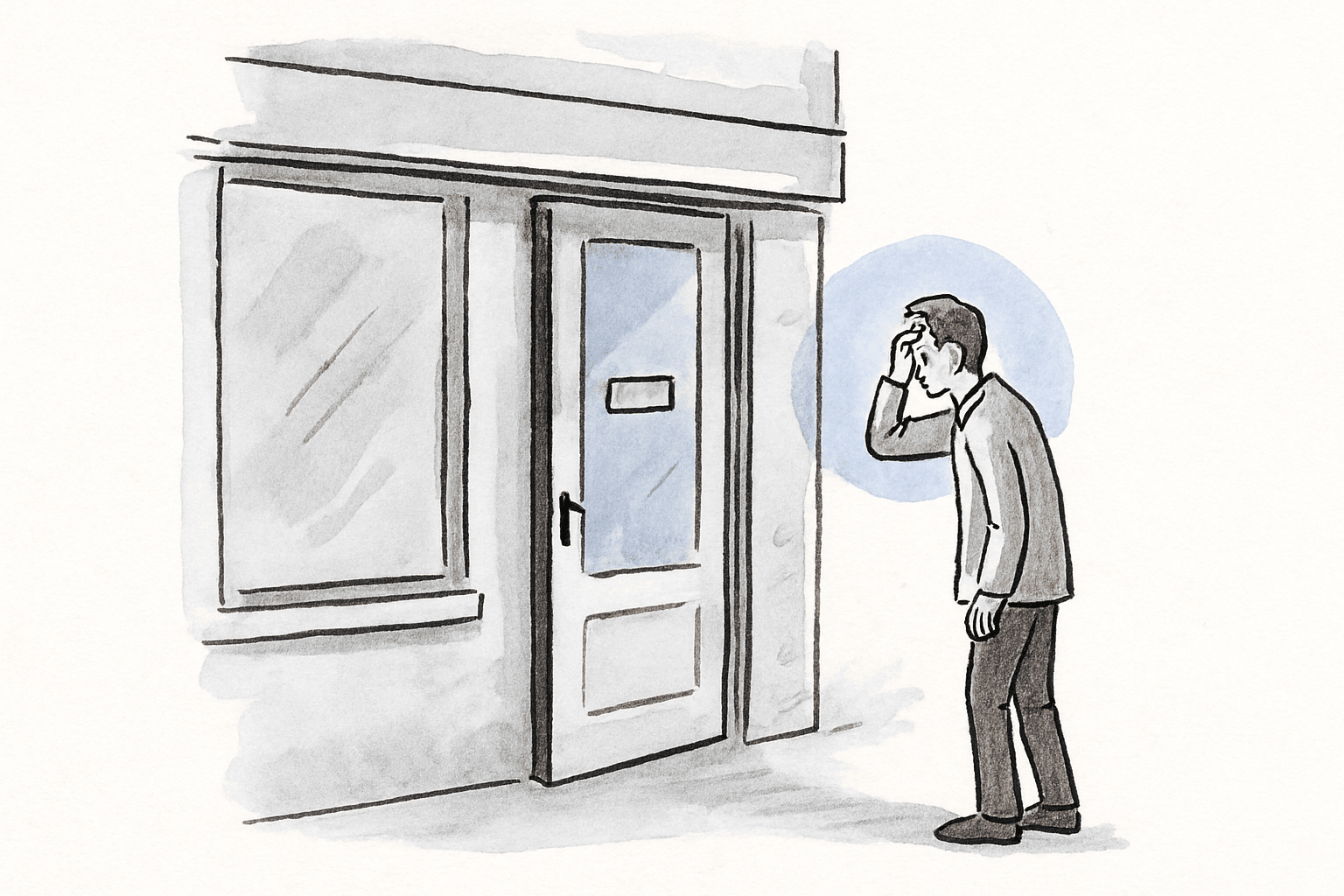
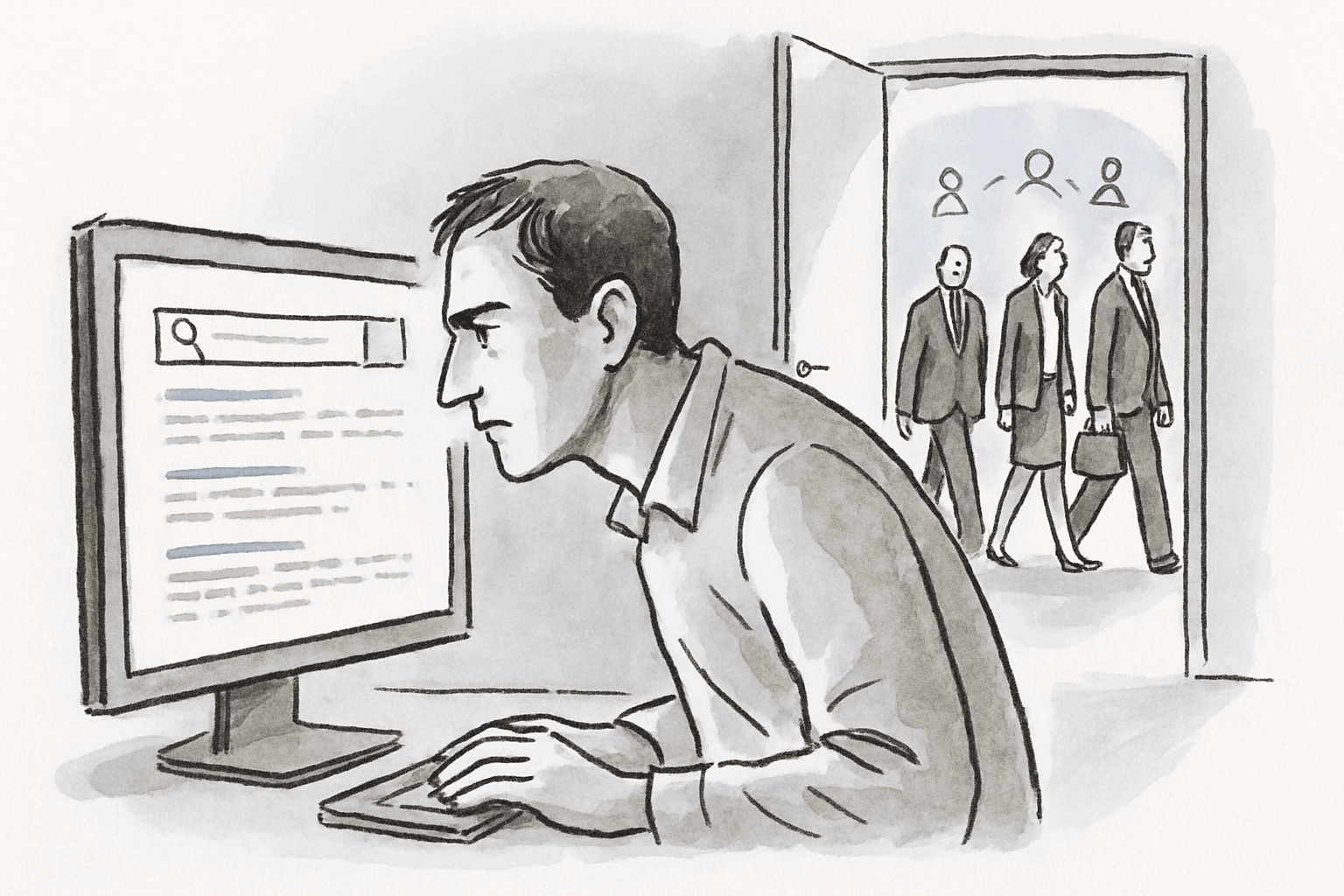
The owner acknowledged this but pushed back: if referrals were coming in, what was the problem? The problem was a question he could not answer with any confidence: how many people had received a referral, looked at the site, and decided not to follow up? Nobody calls to say the website talked them out of it. The exits are silent.
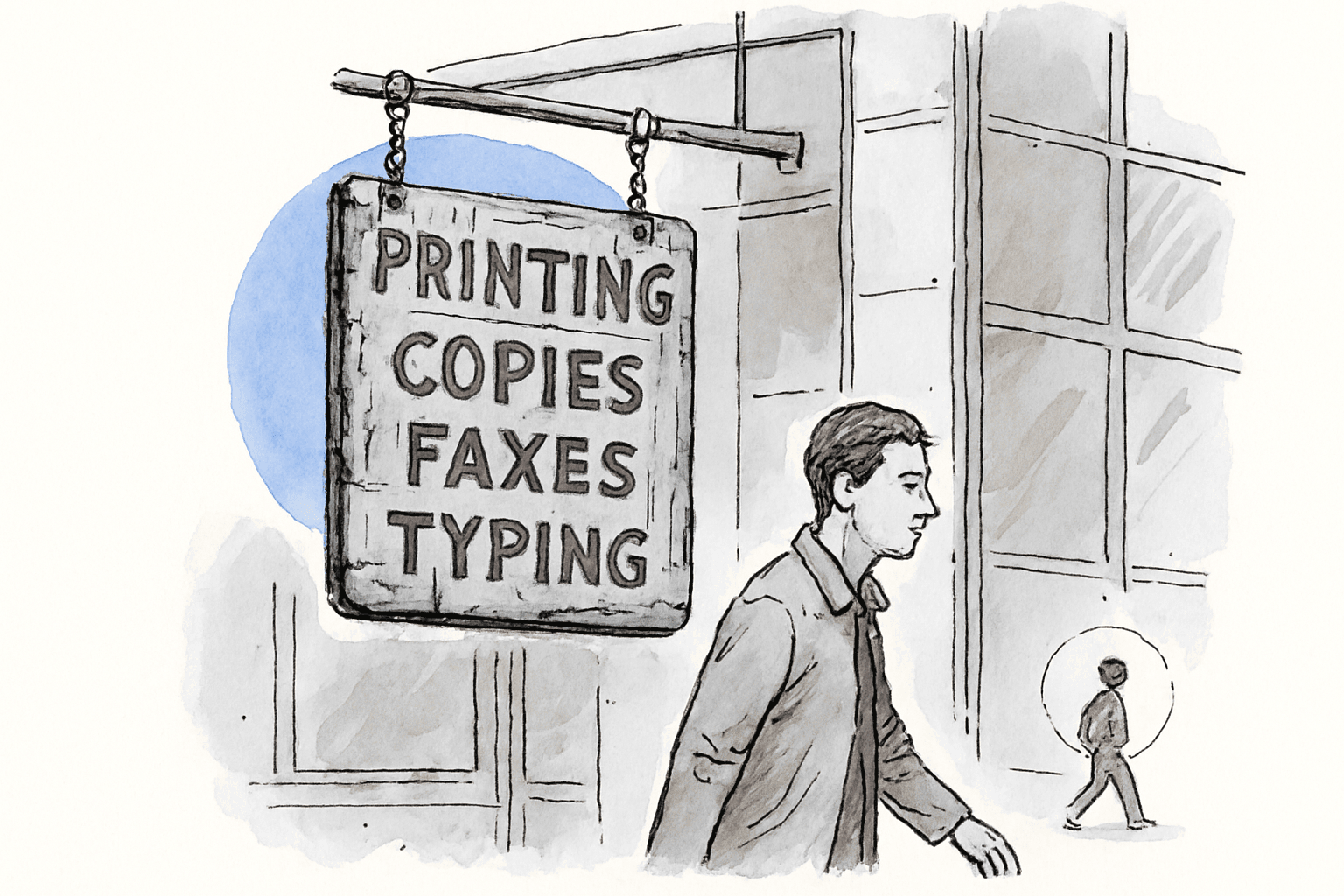
The site was not broken. It was just accurate for a company that no longer quite existed. It had been built well at a particular moment, and then the business kept moving. The site did not.
In our experience: the site is usually a portrait of an older company
When we audit established business websites, one of the most consistent findings is that the site describes a version of the business that is three to ten years out of date. Not wildly wrong. Just behind.
The services page lists work the company no longer emphasizes. The homepage positioning uses language from the founding pitch, not the current one. The case studies and testimonials reflect clients and projects from an earlier era. The tone and focus match a company that was still figuring out what it was, rather than one that has spent a decade specializing.
None of this is because the owner does not care about how the company presents itself. It is because the site is never wrong enough to demand attention. It works. It loads. It is there. Compared to everything else on the list of things a business owner has to manage, an outdated services page is easy to defer.
It works. It loads. It describes a different company.
Why this is different from simple neglect
Neglect implies nobody is paying attention. That is almost never the case. The owners we work with care deeply about their businesses. The problem is that the website sits in a category of things that are not obviously broken.
The things that quietly cost you money almost never make noise. A referral that bounces off an outdated homepage does not file a complaint. An interested prospect who could not figure out what you specialize in does not send an email explaining why they went elsewhere. The loss is invisible because the feedback loop is broken.
The result is that businesses run for years with a site that is costing them a portion of the referrals they think they are capturing, without any signal that this is happening. The referrals still come in. Some convert. The ones who did not convert are just gone.
The patterns we see most often
In audits of established business sites, these are the specific gaps that come up most often:
- Services listed that the company no longer leads with, or that represent only a small fraction of current revenue.
- A specialization that now defines the company but does not appear on the site, because it developed after the site was built.
- A mobile experience designed for how people used phones a decade ago, before most B2B research moved to mobile.
- Positioning language that would have fit a younger, less differentiated company, applied to a business that is now much more focused.
Why you can't see how outdated it is
The same mechanism that makes homepage clarity invisible from the inside also makes site drift invisible. You carry the current version of your business in your head. When you read the site, your brain quietly updates it. You see the services page and you know which items are still active and which are vestigial. You read the positioning language and translate it into what the company actually does today.
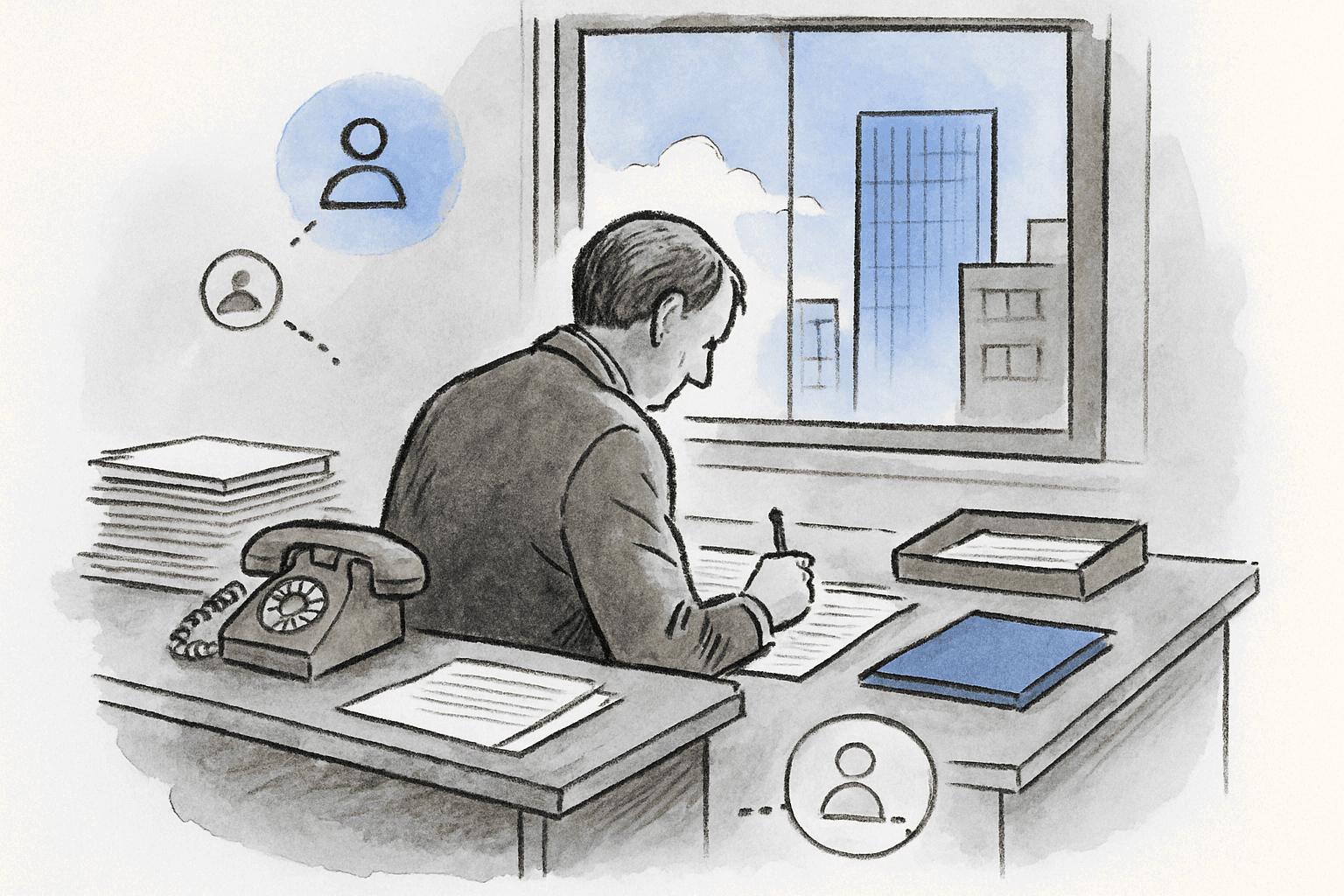
The outside visitor gets the literal version. What the page actually says, not the updated translation your brain supplies. A newer version of the company is operating every day, but a visitor to the site meets an older one.
A newer company is living inside an older story.
What happens after the site catches up to the business
The manufacturing company from the opening of this post: we repositioned their site to reflect the business they actually are today. Updated the services to match current work. Made the specialization prominent. Added a free consultation prompt. Fixed the mobile experience. No ad spend. No SEO campaign. Just better positioning.
The result was noticeably more inbound submissions. And the owner's reaction was the one we hear most often after this kind of project: you only believe it once you see it. Which is honest. It is not a flawed thought process to look at a steady referral business and think the website is a low priority. The question is how many people are arriving from those referrals and quietly leaving because the site does not match what they were told to expect.
B2B buyers do some level of due diligence even on a personal referral. It is not like choosing a lawn service. Someone telling you a company is good gets you to look at the site. The site either confirms the referral or creates doubt. If it describes a different, older company, it creates doubt.
You only believe it once you see it.
Three questions that tell you if this is happening
You do not need an audit to do a first check.
- Does your services page describe the work that actually drives most of your revenue today? Not what you used to lead with. What you do now, and what clients are actually hiring you for.
- If someone found your site without a prior referral, would they understand what you specialize in? Read it as a stranger. Not as someone who already knows the company.
- When did someone outside the company last read the site for accuracy? Not to check for broken links. To confirm that what the site says still matches what the business is.
What I'd actually recommend doing about it
This problem does not always require a full rebuild. Sometimes the gap is narrow enough that a services page rewrite and some positioning work will do it. Sometimes the site can be updated within its current structure.
But sometimes the infrastructure is the problem. We have worked with clients who wanted a light refresh because they could see the site was outdated, but the real issue was that their platform had been piecemealed together over the years to the point where it could not be maintained properly. Every update was painful. Things kept drifting. The team stopped trying. The only real fix was to rebuild the underlying code alongside the design and messaging work. Some of those clients understood that once we explained what they would actually get. Some hired someone else to do the refresh they originally wanted, came back a few months later, and said we had been right.
The way to know which version of the problem you have is to look at it with someone whose job is to be honest about it, not to sell you the version of the project you walked in expecting to buy.
We run a free audit that looks at this specifically: whether the site as it exists still serves the business as it exists, what the gap costs you, and what it would actually take to close it. We are straightforward about whether the answer is a rewrite, a rebuild, or something in between. Book a free audit and we can tell you which one you are looking at.