A couple of years ago, the owner of a specialized manufacturing company sat across from me and made the same case I have heard from a hundred established owners. Business was steady. Referrals were coming in. The company had been doing this for a long time. The website, he said, was not where the company lived.
He was not wrong about the referrals. They were real. The company operated in a niche craft with very little local competition. People sent prospects their way regularly, and the prospects called, and a healthy number of them turned into customers. From inside the company, that pattern was the whole business.
I asked him what happens between somebody hearing about him and somebody picking up the phone to call him. He shrugged. 'If they are sent here, they call. That's how referrals work.'
That is not how referrals work for B2B buyers.
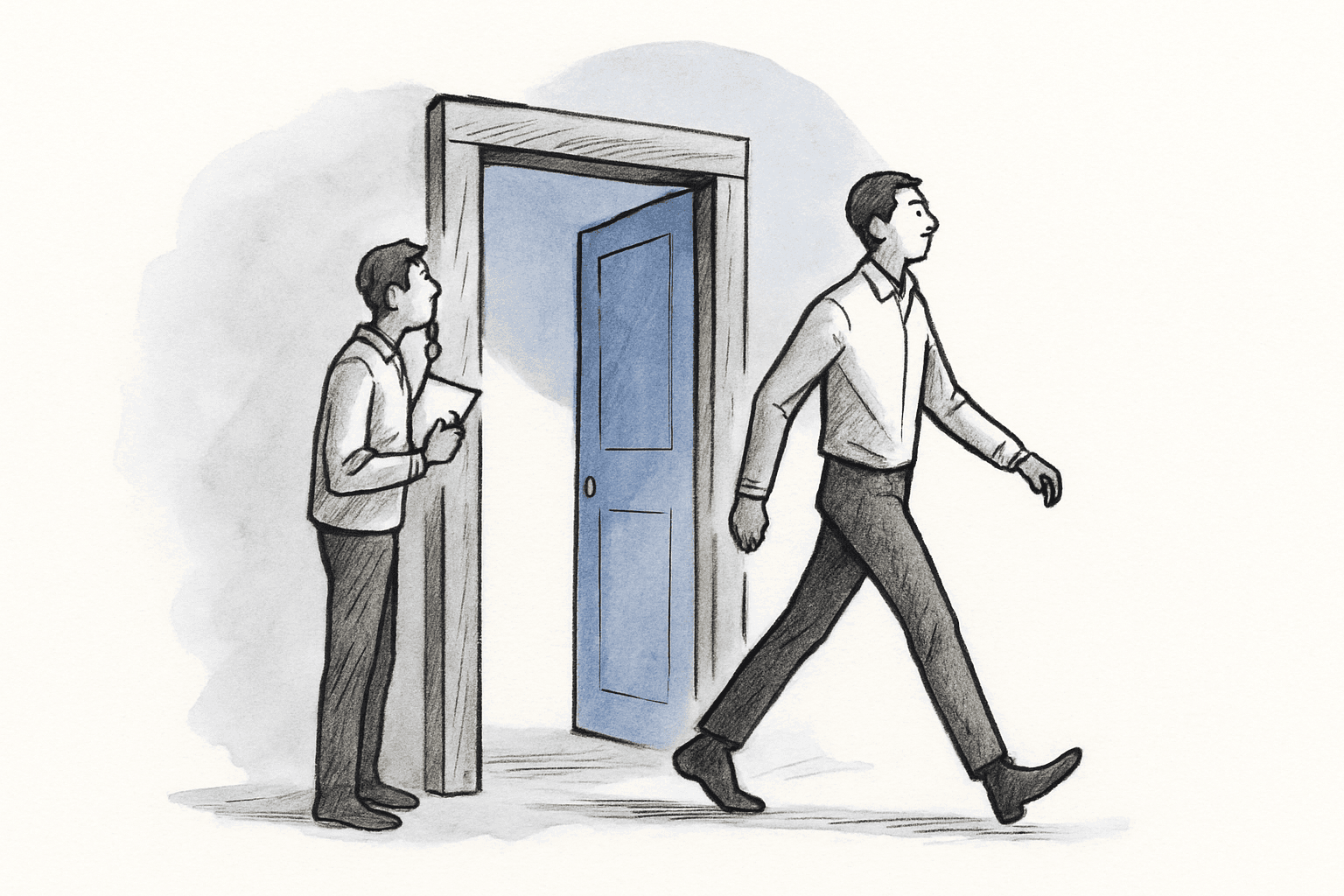
A B2B referral is not a guarantee. It is an opportunity for the buyer to check you out before they decide to take the recommendation. The check is silent. The buyer who decides not to call after the check does not write you a polite email saying so. They just do not call.
In our experience, the buyer always checks
For B2B engagements of any meaningful size, the buyer is going to verify the referral before they take it. The size threshold is lower than owners think. Anything above the level of 'easy and low-stakes' gets verified.
The buyer always checks. You just don't see them check.
The check is not formal. It is a 60-second visit to your website, often on a phone, often during another meeting. The buyer is looking for two things. First: is this the company my friend was actually talking about. Second: does this look like a company that is currently in business and currently taking work in the area I need.
If those two questions get answered cleanly, the buyer calls. If they do not, the buyer puts the tab away and moves on. They probably do not come back. They probably do not tell anyone. They certainly do not tell you.
Why this is different from how referrals work in non-B2B categories
A homeowner looking for someone to mow the lawn gets a recommendation and calls. The stakes are low. The number is small. The decision is reversible. The cost of being wrong is one mediocre mow.
A B2B buyer evaluating a vendor for a project with real money and real exposure does not act that way. The cost of being wrong is a budget hit, a missed deadline, a political problem inside their organization. They are going to check. The check is not a sign that they distrust the referrer. The check is a feature of how grown-up buyers operate.
We put it this way: your website is your digital representation of the business. If the representation does not look like a company a sober B2B buyer would hire, the referral does not convert.
The most common reasons the silent check fails
When a referred B2B buyer lands on a site and decides not to call, three patterns drive most of it.
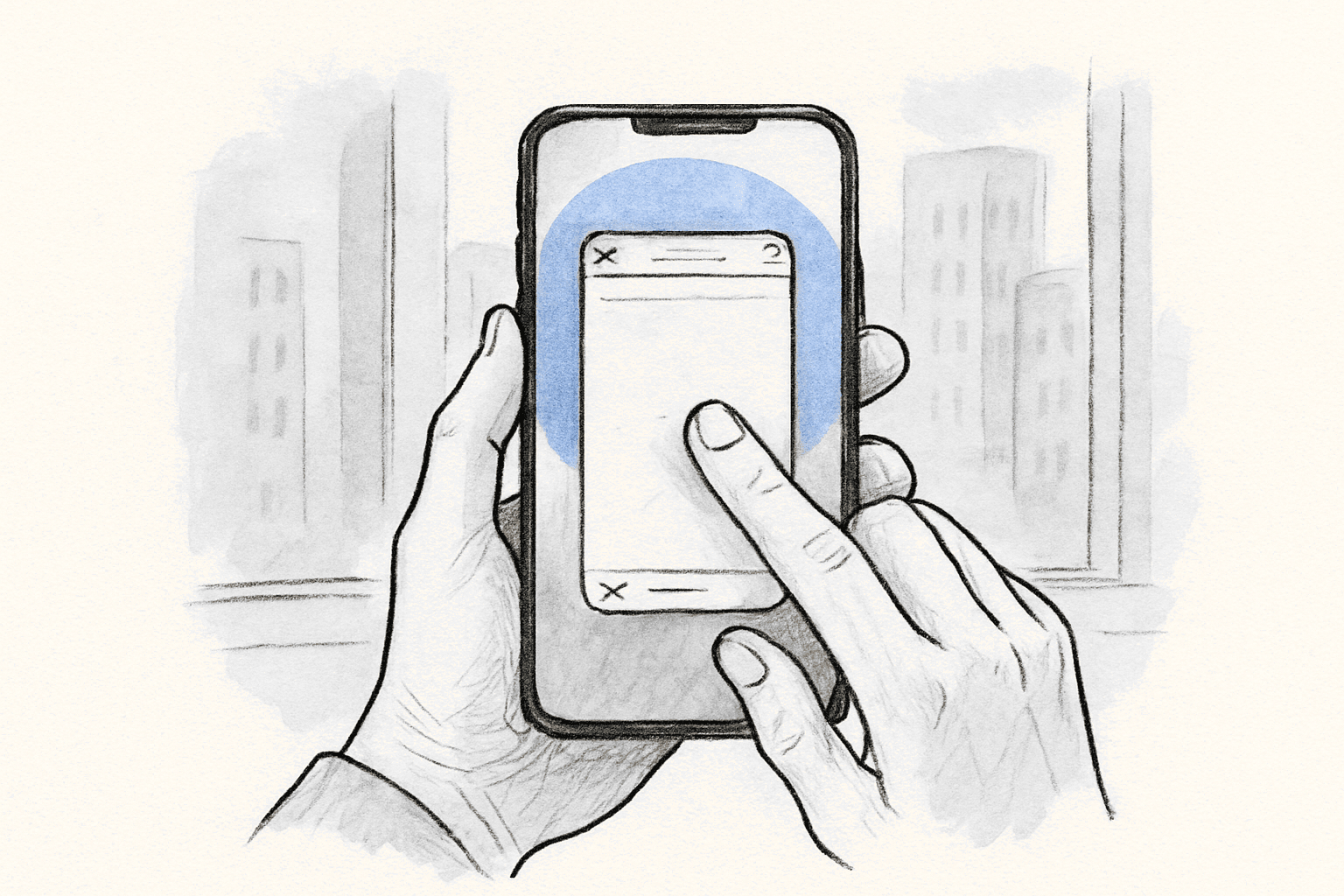
- The site is not mobile responsive. The buyer is on a phone, in a meeting room, sneaking the check between agenda items. If the site does not behave on a phone in 2026, the buyer infers that the company is not paying attention.
- The services described do not match the company the referrer described. The referrer said 'they're really good at X.' The site says the company does broad category Y. The buyer cannot confirm the referral and quietly opts out.
- There is no signal that the company is currently taking work. No recent project. No fresh news. No clear next step for somebody who would like to talk. The site reads as an archive of a company that used to exist.
Any one of these is enough to lose a referral. Two of them together is most of what we see in audits.
Why referral-driven owners can't see this themselves
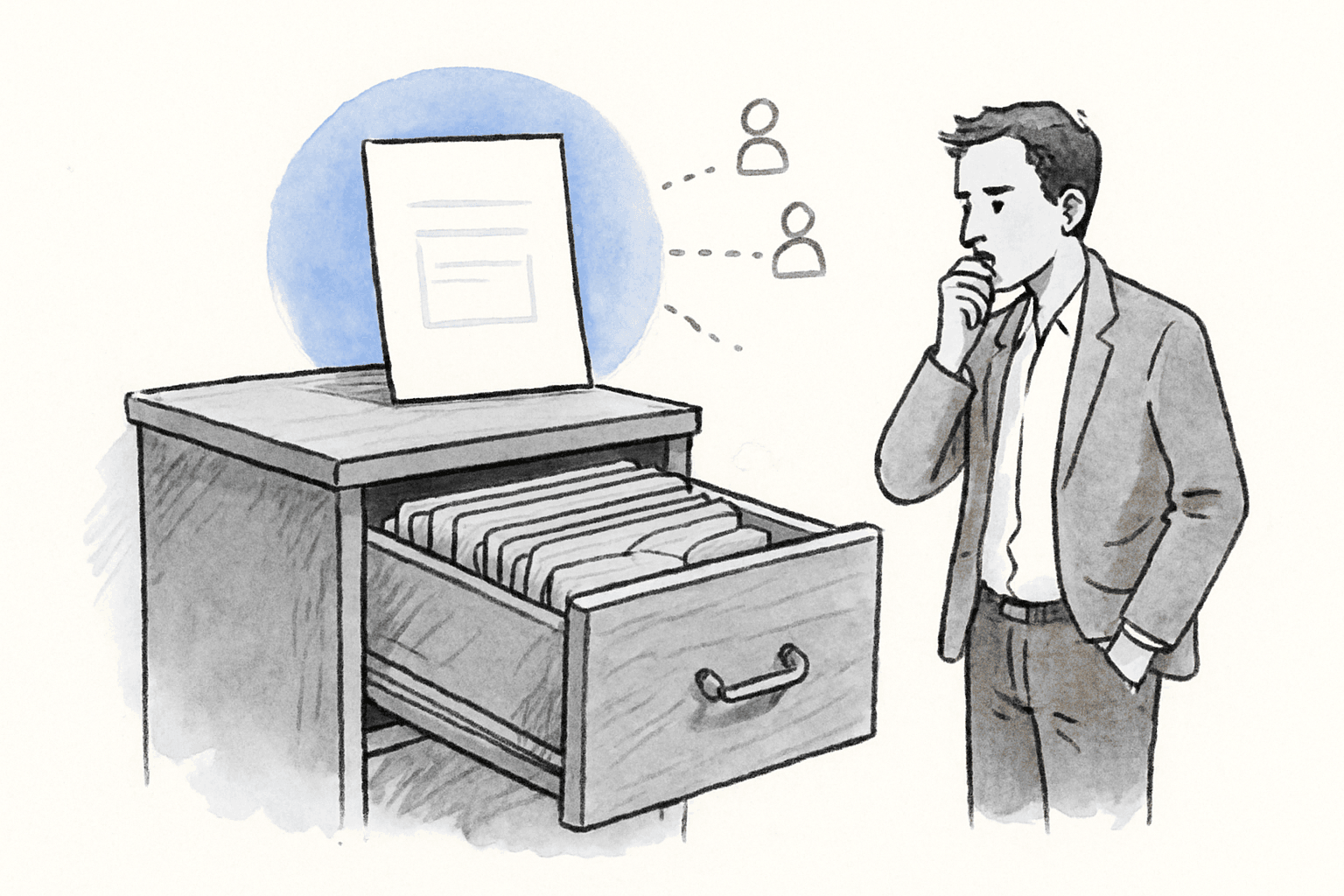
The owner only counts the calls that come in. The opt-outs are not visible. They do not exist in the CRM. They do not show up in the marketing report.
You only count the ones who called you.
That is the entire mechanism. It is not denial. It is not laziness. It is structurally invisible. The number that is bleeding is the one you do not track. The only way to even estimate it is to know enough referrers well enough that they tell you, months later, that they referred three or four people who never followed up.
The honest reaction we hear from owners after a relaunch is 'I had no idea this was happening.' That is the right reaction. You could not have known.

What changes when you fix the silent check
The manufacturer we worked with did not change anything else. No ad spend. No new SEO. No outbound campaign. We repositioned the site to match the company they actually were now, made it work on a phone, and added a clear way for somebody who landed there to start a conversation.
Inbound went up noticeably. Not because new acquisition started working. Because the referrals that had been silently opting out for years could now confirm the referral and find the next step. The pipeline that had always existed was visible for the first time.
Referrals open the door. The site decides who walks through.
That is the entire shape of the change. A site that fails the check costs you referrals you never knew you had. A site that passes the check turns the referrals you already have into the company you wanted to be.
Tests you can run on your own site this week
You do not need an audit to start. Three tests can tell you most of what you need to know.
- Open your site on a phone, on a slow connection, with one finger. If anything is unusable, every referred buyer using a phone has the same experience. You can stop the test there if it fails.
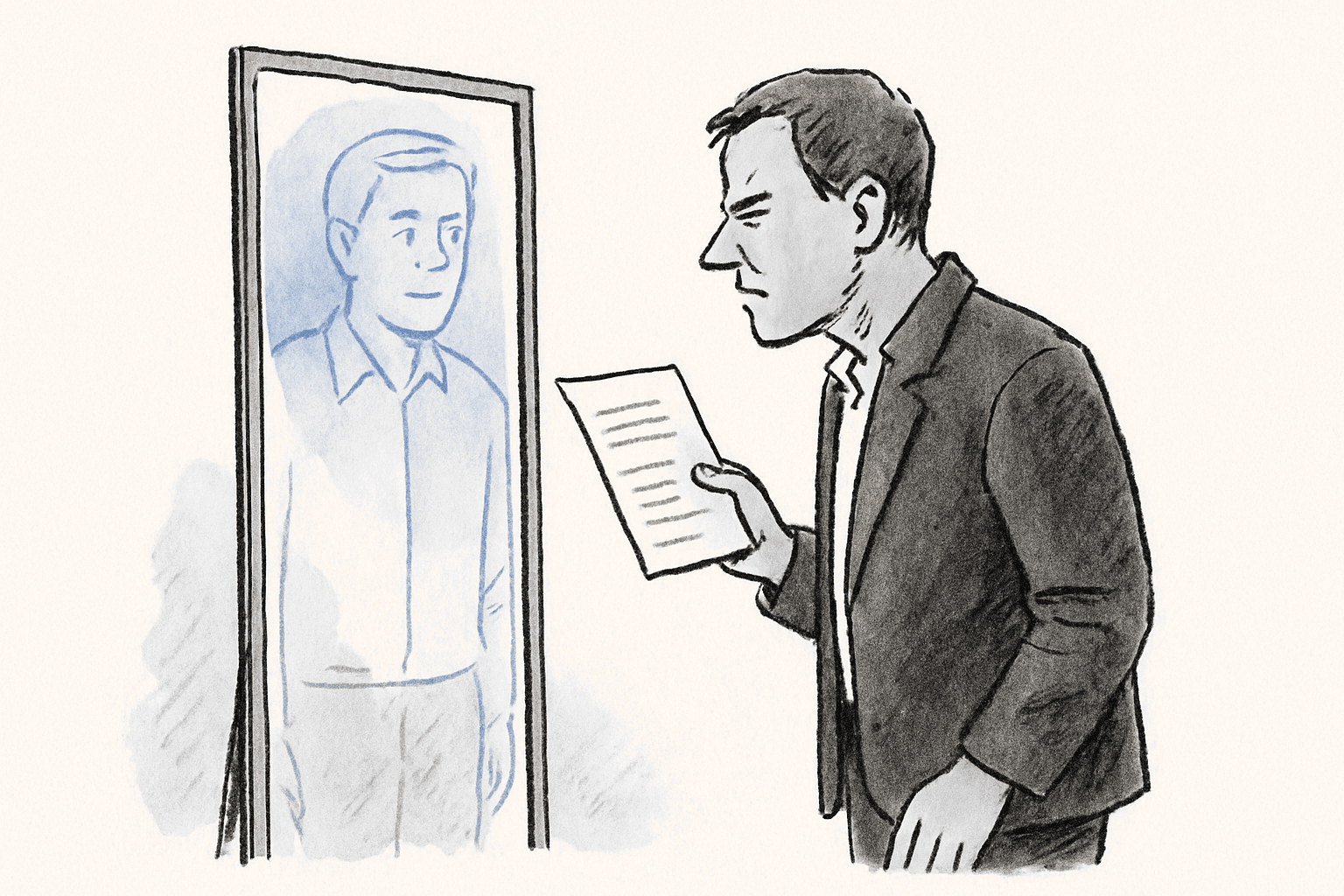
- Read your homepage out loud to somebody who does not work at the company. Ask them what the company does, who it does it for, and what to do next. If they cannot answer all three in 30 seconds, the silent check is failing.
- Find one recent piece of content, news, or project that shows the company is currently working. If you cannot, the site reads as an archive. Buyers who want a currently-working partner cannot confirm that from the page.
What I would recommend
Do not assume a steady referral flow means the site is doing the work. The two facts are not the same fact. A steady referral flow tells you the people you know like you. The site decides who they can successfully refer.
If you are not sure whether the site is converting your referrals or silently losing them, we audit this exact shape. The audit will not always recommend a redesign. Sometimes the fix is a positioning rewrite. Sometimes it is a mobile cleanup. Sometimes it is a contact path that does not require somebody to dig. Schedule a free audit and we will tell you which one yours is.